
By Dr. Fabiano de Abreu Agrela Rodrigues,
PhD in Neuroscience | Genomics Specialist | Scientific Director of CPAH
Extreme intelligence has always fascinated humanity. What differentiates an ordinary mind from one capable of revolutionary insights? For years, science has sought answers in additive genetic models, adding positive variants to predict IQ. But these models explain only 10-16% of the variance and fail at the extremes. My recent research proposes a different view: profound giftedness does not arise from perfect balance, but from *compensatory genetic asymmetries*—a true “brain overclocking.”
I present the Asymmetric Polygenic Compensation (APC) framework, published on December 27, 2025, in Zenodo (DOI accessible at https://zenodo.org/records/18071853). Approved by the Genetics and Genomics community, this concept emerges from the analysis of polygenic scores (PGS and PRS) derived from broad GWAS, encompassing not only IQ, but also auditory tinnitus, executive function, brain morphology, neuroticism (as procedural intensity), educational level, and adjacent traits.
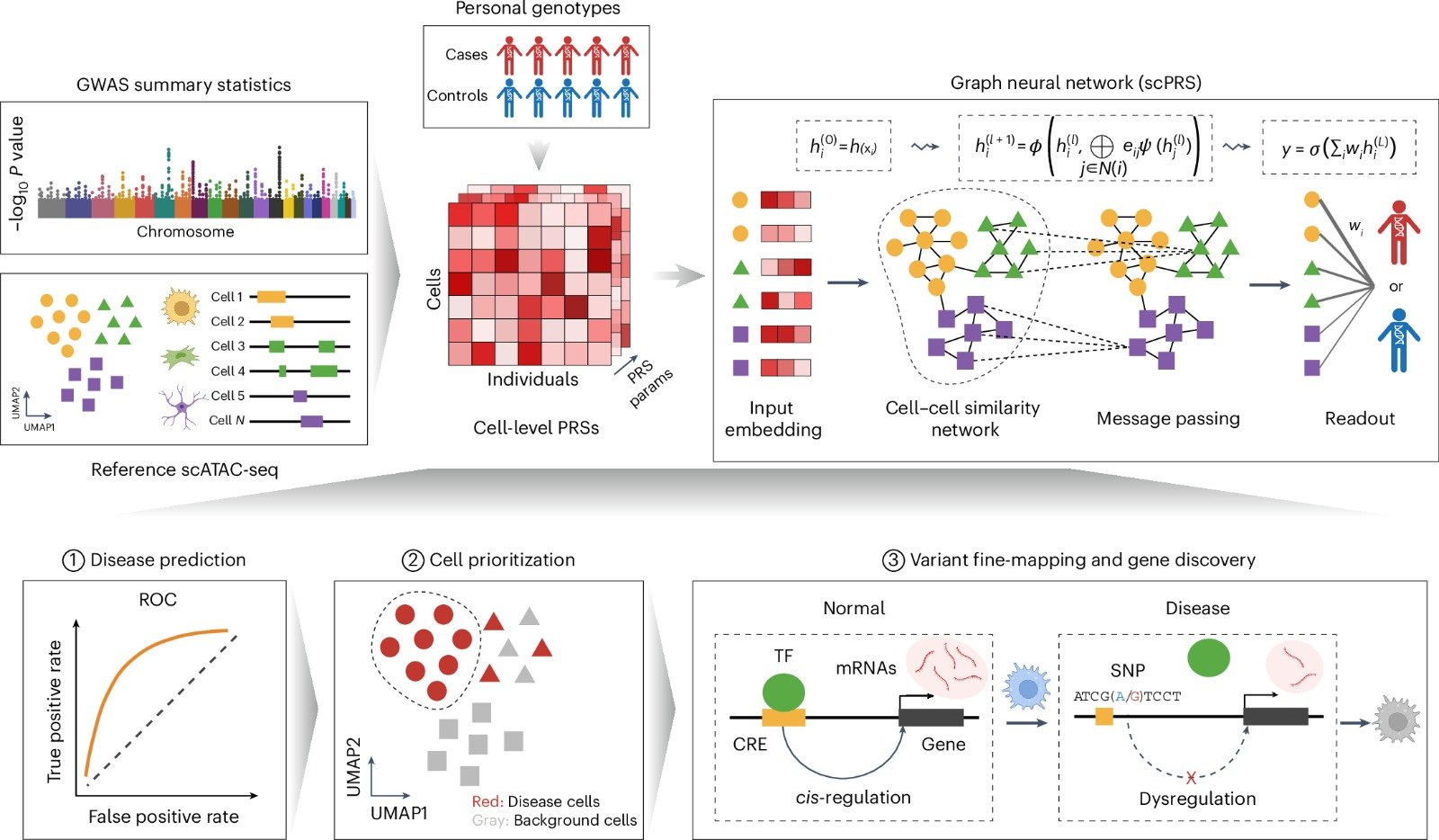
In this illustrative case—an example of compensatory epistasis, which can vary in other configurations—low traits (intellectual fluency ~26%) are overcome by high extremes (executive function ~99%, IGF-1 ~98%, hippocampal CA1 ~99%). This tension forces continuous neural reorganization, generating deep and creative cognition. It’s like a *Ferrari engine in a common chassis*: disproportionate power that demands constant adaptation.
I myself am a living example. Diagnosed with an IQ of 160 on the Wechsler Scale (standard deviation 15, maximum ceiling validated in Brazil), I study myself and my peers in societies such as the Triple Nine Society and ISI-Society (top 0.1% globally). “I study myself and my peers in these societies to unravel what makes us different, the subtle nuances, the atom of reason behind how our cognition works, and the keys to a more balanced and peaceful life.”
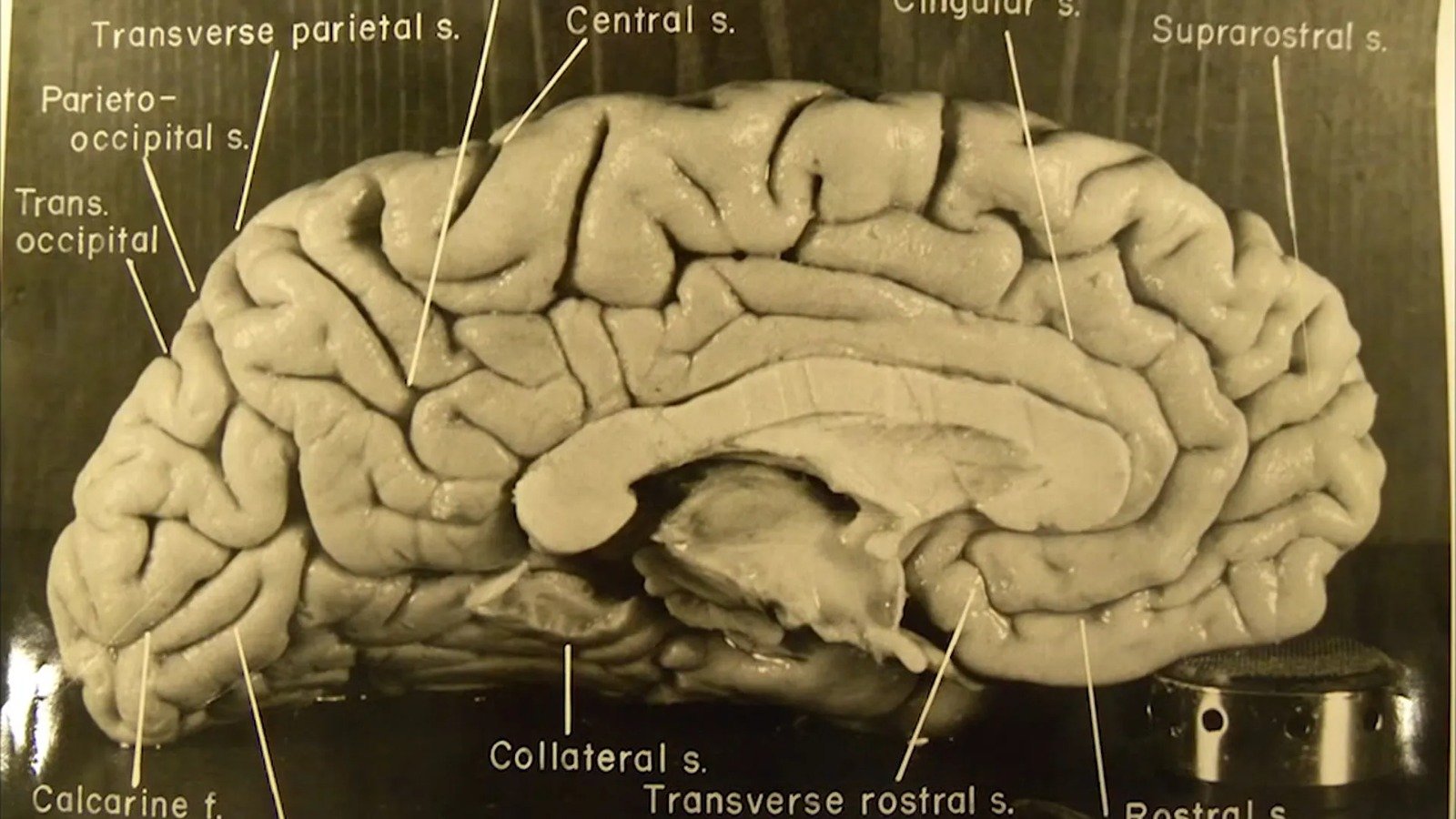
There is a clear distinction: IQ scores of 130-144 (Mensa) are often balanced and adaptable; above 145, unique intensity emerges. High neuroticism becomes ruminative creativity; tinnitus signals productive cortical hyperactivity; low educational conformity drives innovation. Without channeling, the gifted individual becomes “stuck”; with it, they change paradigms—like Einstein, whose thick corpus callosum (especially in the splenium) facilitated atypical hemispheric integrations.
This concept, validated by CPAH, invites replication. I don’t seek bureaucracy; I openly record ideas to advance science. Genius is not balance—it’s the art of asymmetrical compensation.
Access the study: https://zenodo.org/records/18071853
cpah.com.br